Three documents became one standard in three parts
The listing for each current part names the older document it replaced. The timeline below is a selection: the listings show older roots and amendments too. Read together, they show the standard for performance, the standard for installation and the standard for testing being brought under one number.
- September 1999AS/NZS 4604:1999 is published; the listing for AS 5039-2008 names it as a document it superseded.
- June 2003AS 5039-2003 (performance), AS 5040-2003 (installation) and AS 5041-2003 (methods of test) are published.
- May 2008AS 5039-2008, “Security screen doors and security window grilles”, replaces the 2003 edition. Its listing describes it as covering hinged and sliding screen doors and window grilles, mainly for use in homes and other residential settings. It is now marked superseded.
- December 2023AS 5039.1:2023 (classification and performance) supersedes AS 5039-2008, and AS 5039.3:2023 (methods of test) supersedes AS 5041-2003.
- June 2024AS 5039.2:2024 (installation) supersedes AS 5040-2003.
- October 2024 and February 2026Amendment 1 to Part 1 is published, applying to its Appendix A; Amendment 1 to Part 2 follows, applying to its Clause 1.3.
What each listing says it covers
Each listing carries a one-line synopsis and a table of contents. The synopses are put in our words below; the contents are summarised from their headings, which is as far as a free listing goes.
Part 1: Classification and performance
The listing says Part 1 sets the performance requirements for every kind of security door and window screen, whether hinged, sliding, folding, removable or fixed, used in buildings of Class 1 to Class 10, and that it is “concerned primarily with resistance to forced entry”.
Its contents list headings for:
- three infill types, described as medium, large and small aperture
- categories of door and window screens
- general requirements: installation instructions, corrosion, infill, hinges, locks, lock fitting, fasteners, materials (aluminium, steel and timber) and finishes
- performance: impact, a jemmy test, a pull test, a probe test, a knife shear test, corrosion resistance and locks
- marking, and testing, including a test report validity period and retesting after product changes
Part 2: Installation
The listing says Part 2 sets the requirements for installing security door and window screens of every kind, whether hinged, sliding, folding, removable or fixed, in buildings of Class 1 to Class 10.
Its contents list headings for:
- whether the existing door or window frame is suitable
- measurements, including drainage and water penetration
- dimensions and clearances
- fitting an adaptor frame, metal jambs and heads, hinges, and the lock and striker plate
- face fitting of door and window screens
Part 3: Methods of test
The listing says Part 3 gives the methods for testing how well hinged and sliding security door and window screens perform, for screens used “primarily in residential buildings”.
Its contents list headings for:
- general requirements for performance testing, and the principle behind them
- the test specimen, for door screens and for window screens
- preparing timber and metal frames, and fixed, hinged and sliding screens, for testing
Four things worth reading closely
“Class 1 to Class 10 buildings”
Those classes are the building classifications of the National Construction Code. The Australian Building Codes Board publishes an overview of Classes 1 to 10, with common examples of each. So Parts 1 and 2 reach beyond houses, while Part 3’s synopsis still speaks of screens used “primarily in residential buildings”.
Doors and windows, not grilles
The 2008 edition was titled for “security screen doors and security window grilles”. The current parts are titled “Security door and window screens”.
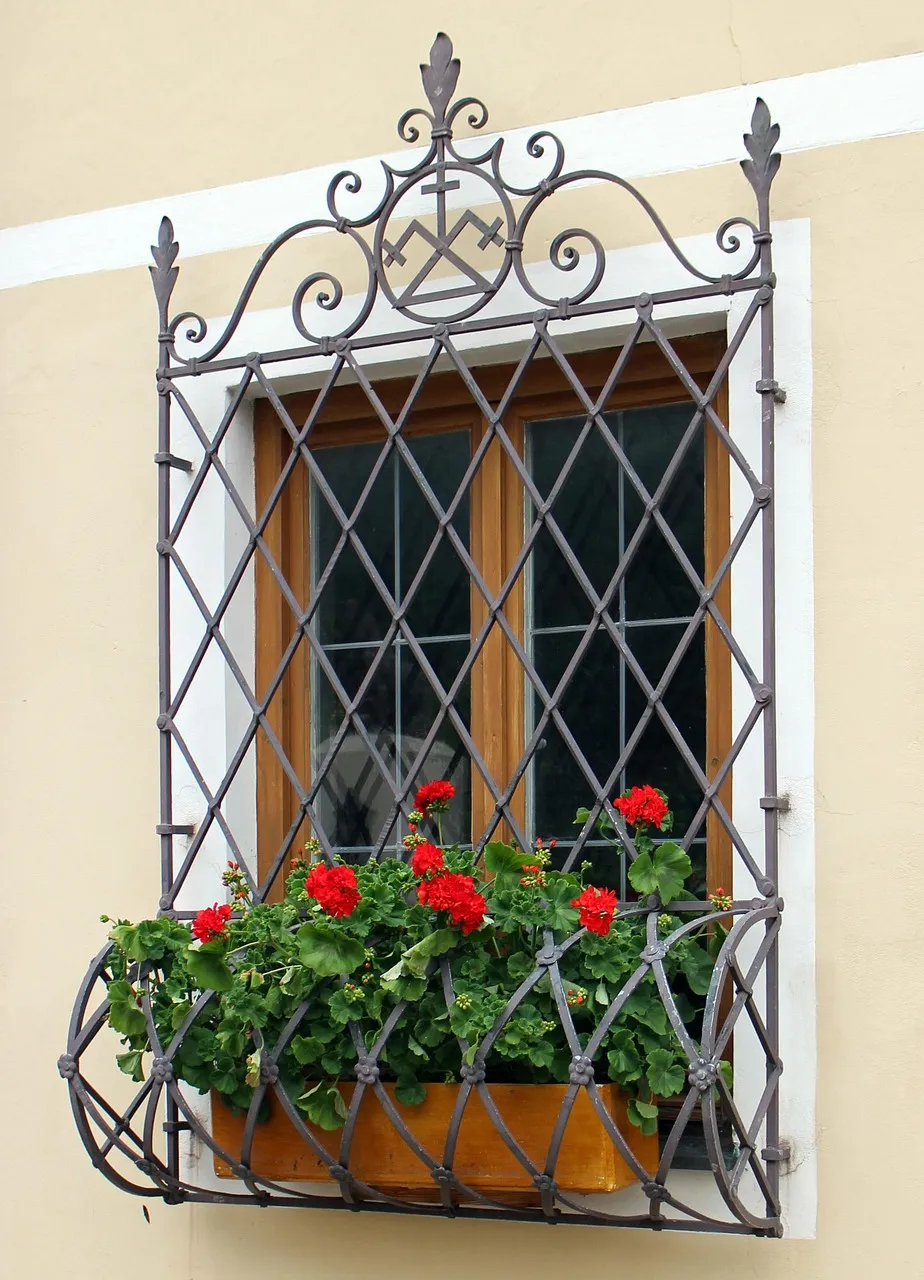
Forced entry is the focus
Part 1’s synopsis says it is “concerned primarily with resistance to forced entry”. It does not describe insects, embers or children at windows; other pages in this guide take those from the bodies that speak to them.
Other standards sit underneath
Part 1’s listing names, among its normative references, standards for anodised and powder coatings on aluminium, a neutral salt spray corrosion test, aluminium castings, and mechanical locksets for doors and windows.
What the listing does not tell you
A store listing describes a document. It does not say whether a particular screen meets it, whether any law in your state requires a screen to meet it, or what any test result means for your home. Those answers live in the standard’s own text, which Standards Australia sells, and with the regulator or building surveyor for your work.
When someone tells you a product complies, the listing gives you the right words to ask about: which part, which edition, and whether an amendment has been published since. As at October 2026, Part 1 and Part 2 each show one amendment.
For the questions the standard does not set out to answer, see getting out in a fire and window safety for children.